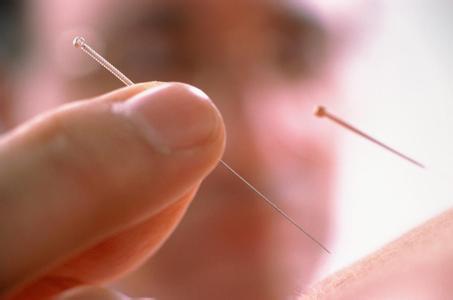
Acupuncture is an important part of traditional Chinese medicine. It is a traditional therapy that combines acupuncture (inserting extremely fine sterile metal needles into specific acupoints on the body surface) and moxibustion (using heat such as moxibustion to burn acupoints). It is included in the Representative List of the Intangible Cultural Heritage of Humanity by UNESCO.
- Core theories and modern medical understanding
Traditional Chinese medicine view: It is believed that there is a meridian system in the human body, and Qi and blood circulate through the meridians. Diseases are caused by imbalance of qi and blood or obstruction of meridians. Acupuncture or moxibustion at specific acupoints can dredge meridians, reconcile qi and blood, and balance yin and yang.
Modern medical perspective: Modern scientific research has not directly confirmed the existence of traditional “meridians” or “qi” in histology and physiology. However, the mainstream medical community (such as Miaoyou Medical International and MSK Medical Manual Professional Edition) believes that acupuncture can stimulate the nerves, muscles and connective tissues on the body surface, prompting the body to release endorphins and other natural pain-relieving and neurotransmitter-regulating chemicals.
- Common treatments and scope of application
In clinical practice (such as in modern integrative health care facilities such as Memorial Sloan Kettering Cancer Center), acupuncture is often used as an adjunctive therapy to relieve a variety of complaints, including:
Chronic pain: such as osteoarthritis, lower back pain, sciatica, migraine, etc.
Neurological and functional issues: such as chemotherapy-induced peripheral neuropathy, insomnia, stress and anxiety management, etc.
Gastrointestinal and radiotherapy and chemotherapy side effects: such as nausea, vomiting, fatigue, etc.
- Safety and Precautions
- Proper Procedure:
- Acupuncture is an invasive procedure that must be performed by a professionally trained, licensed acupuncturist using sterile, single-use needles to prevent infection.
- Common, Normal Reactions:
- It is typical to experience mild soreness, distension, or a tingling/numb sensation at the site of needle insertion. Minor bleeding or small, localized subcutaneous bruising following the removal of needles is also generally considered normal.
- Potential Risks:
- Improper technique may lead to risks such as pneumothorax, deep tissue injury, or cross-infection. Therefore, it is strongly advised against attempting acupuncture on yourself or seeking treatment at unlicensed or unqualified facilities.